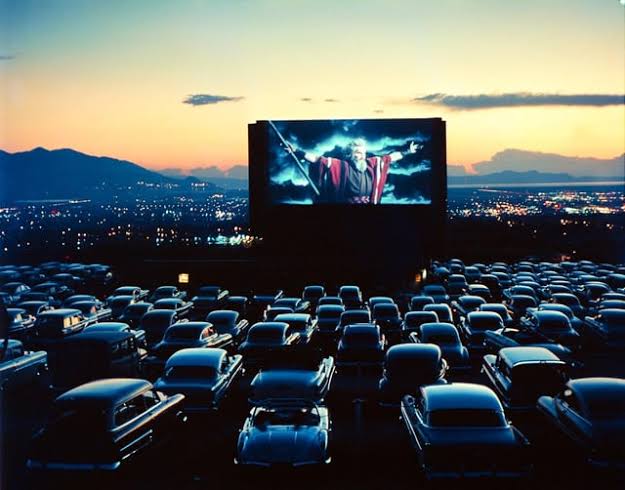
That question has been on my mind for some time. In writing The Two Prophets, I imagined what a prophet might say to America right now. While media has certainly evolved from the stone tablet and chisel of the Old Testament, I believe the message would essentially be the same. After all, God hasn’t changed and, despite all our advancements, neither have we. So, what would a prophet say? Probably the same thing they’ve always said…
1. The first rule of being a prophet is there can be no other gods other than the one, true God. When God – via the burning bush – gave Moses the ten commandments, the first two were ‘no foreign gods’ and ‘idols are taboo.’ Jeremiah, Hosea, Ezekiel all condemn idol worship, comparing it to adultery. Ezekiel expands on the idea of idolatry to include inner attachments, making sinners of us all.“These men (pious religious leaders) have taken these idols into their hearts…(14:3)
2. There’s no getting around the fact that the prophets of old stood up for the oppressed. Today, they might be branded “social advocates” or “civic activists.” From Amos (5:11 and 12): “You trample on the poor and force them to give you grain. Therefore, though you have built stone mansions, you will not live in them..” to Zechariah (7: 9 and 10): “Administer true justice; show mercy and compassion to one another. Do not oppress the widow or the fatherless, the foreigner or the poor.”
3. 3000 years ago, there were 100 million people living on the planet. Today, we have 8 billion – with every one of us burning something for transportation, food, and shelter. Even back then, Isaiah (5:8) was worried about greed induced urban sprawl in Jerusalem, “Woe to you who add house to house and join field to field until no place is left and you live alone in the land,” (5:8) Hosea connects social sin with environmental disaster, “Because of this the land dries up, and all who live in it waste away…” (4:3) Jeremiah (12:4) asks, “How long will the land lie parched and the grass in every field be withered? Because those who live in it are wicked…”
4. The prophets were bad-asses who stood up to corrupt authority figures, even kings. Nathan confronted King David after he had his mistress’s husband murdered. Not all kings were as receptive to rebuke as David. Jeremiah paid the price when he condemned King Jehoiakim for building his palace on the backs of unpaid labor (Jeremiah 22:12 – 17). When King Ahab and Queen Jezebel used their positions of power to enrich themselves, Elijah declared a drought and called down fire from the sky. (1 Kings 21)
Times have changed, but I firmly believe a prophet today would have something to say about how one of the wealthiest (mostly “Christian”) nations treats the least of these, including undocumented immigrants and starving people around the world. The refusal of the United States to address climate change would surely deserve a fiery rant. A modern-day Jeremiah would take on the twin idols of money and greed. And if Elijah were alive today, he would likely challenge corruption –even when it comes from the highest office in the land.
Many religious people would reject what a prophet would say today. Of course, that’s par for the course. When done correctly, being a prophet is an extremely difficult and dangerous job. Even so, we have many “prophets” among us who have been warning us about our future for a long time. Unfortunately, most have refused to listen – often choosing lap up the easy answers offered by faux prophets. Society is paying the price for those failings. And yet, individuals have the power to join their voices together and be heard – on earth and in heaven.
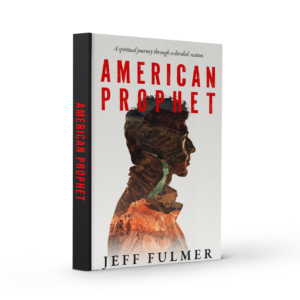
Jeff Fulmer is the author of Hometown Prophet, American Prophet, and the latest stand-alone prophetic fiction, The Two Prophets.